

Deepfakes are Only Getting Better. Will Congress Act?
America's deepfake legislation is dated and dangerous. Legislators can change that.

In late 2023, parents of students at Westfield High School in New Jersey received a terrifying email. School administrators, the letter read, had been alerted that a group of male students had created and distributed AI generated pornography of their female classmates. The images looked indistinguishable from real life—their faces and bodies plastered onto videos and images without their knowledge. It marked one of the highest profile incidents yet of a technology, known as “Deepfakes”, that threatens to plunge American society into the depths of sin and sacrilege the likes and scale of which we have never seen. Congress and President Trump must act now to defend American children and women.
The trajectory of deepfake technology is, in many ways, the same as the larger artificial intelligence industry. The underlying technology of deepfakes, allowing users to alter videos with different speech or actions, was possible but impractical. Making a quality deepfake required extensive compute requirements that were out of reach for the average consumer. Even if a user did acquire the hardware, they were still limited by the enormous amount of photos and videos needed of a subject to create a deepfake. The threat to high-profile figures like celebrities and politicians was real, but the average person appeared safe.
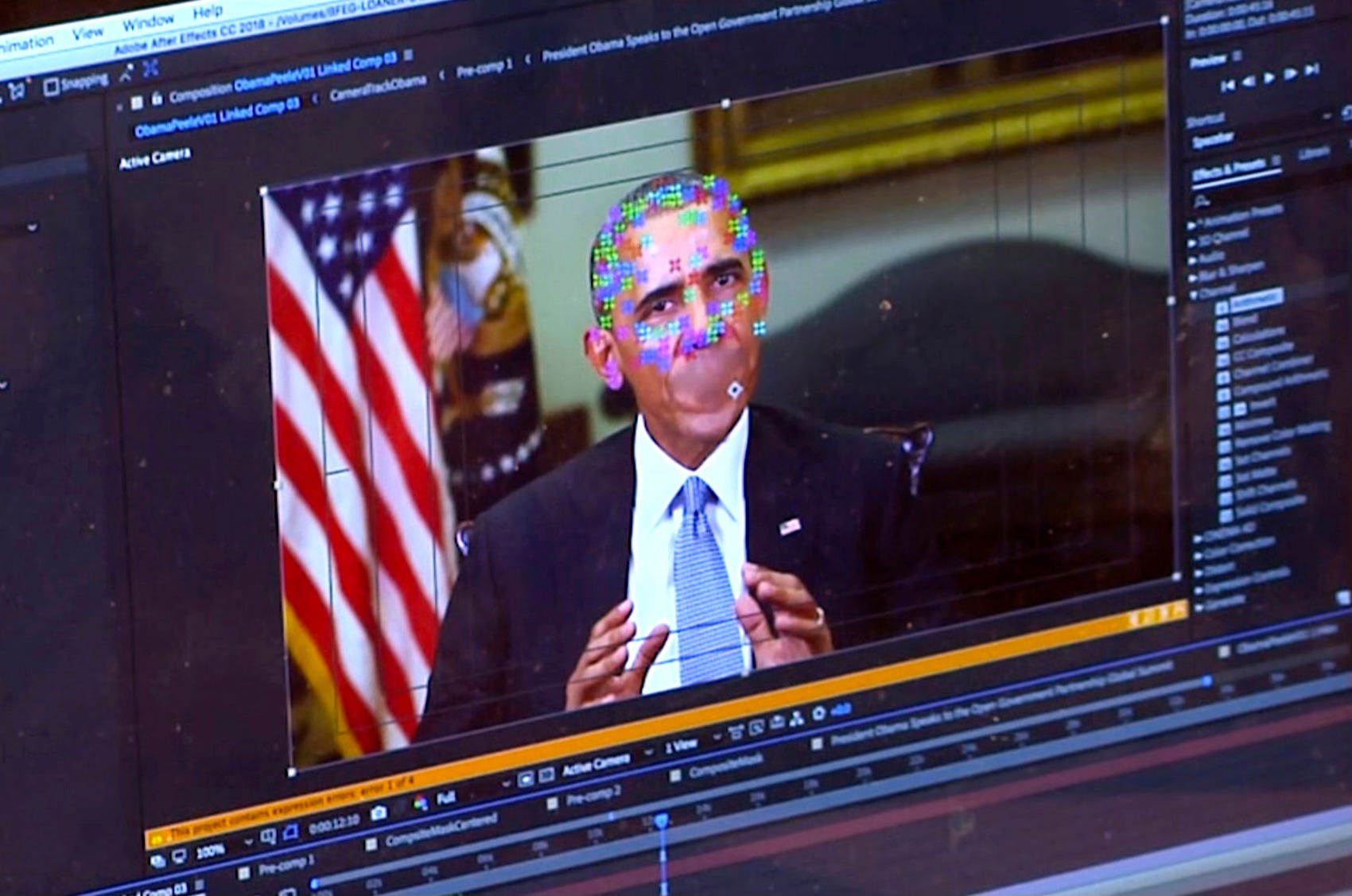
Suddenly, though, breakthroughs in machine learning quickly snowballed into massive advancements in artificial video creation. The compute needed to create a quality deepfake was reduced to just a high-end desktop computer. Instead of gigabytes of images and videos, a user could now create a convincing deepfake from a single image. A proliferation of open-source software allowed users without coding proficiency to quickly download and begin producing massive amounts of the most disgusting and deplorable content known to man. The floodgates had opened—never to be fully closed again.
Celebrities and politicians have faced the worst of this crisis so far. A pornographic deepfake of Taylor Swift reached over 47 million views on X before it was taken down. Similarly vile videos of actress Sydney Sweeney and Representative Alexandria Ocasio Cortez have been posted, deleted, and reposted on popular platforms as well. Those outside of the spotlight, like small-time influencers on TikTok or Instagram, have no agency to get these behemoth platforms to act on their behalf. Critically, though, content like this continues to spread on shady pornographic websites where moderation is near non-existent.
Elected officials at the state level have made progress in incorporating deepfakes into existing legislation, but more action is needed. Defense attorneys have successfully argued that deepfake videos, even if they are sexually explicit and contain children, are, in technicality, a victimless crime. This cannot go on. State legislatures must rapidly amend their Child Sex Abuse Material legislation to incorporate, as officials in Kentucky and Alabama have, virtually indistinguishable depictions of child pornography. Legislators should also follow the lead of states like California, New York, and Florida and expand private rights of action to allow for statutory damages. As it stands, victims of deepfake technology must prove a material loss—a nearly impossible ask for children and non-celebrities.
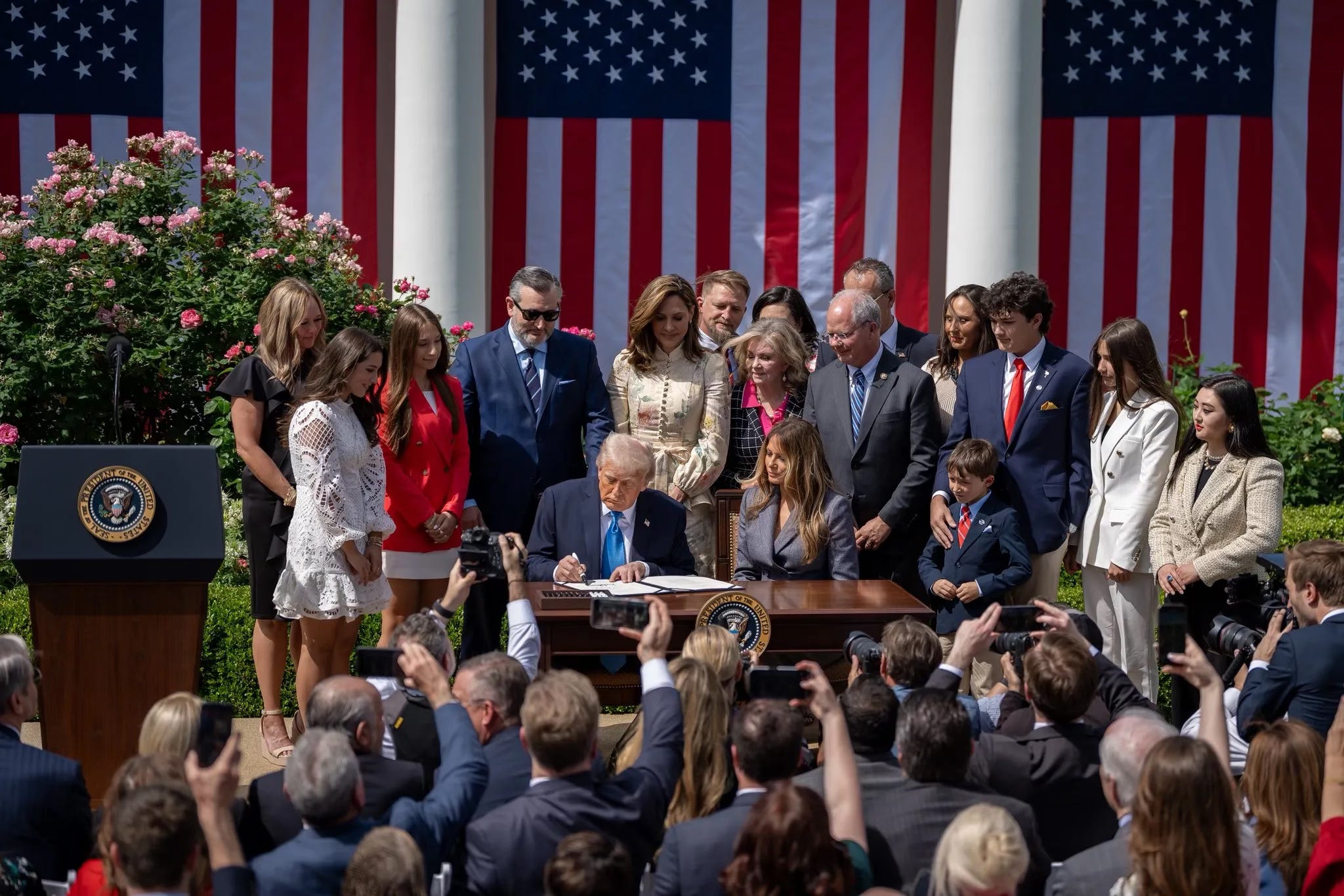
Progress remains frustratingly fragile at the federal level. The TAKE IT DOWN act, signed by President Trump in late May, remains the foundation of federal deepfake regulation. The bill mandates social media platforms to remove non-consensual intimate imagery within 48 hours of receiving a valid notice, along with making the act of knowingly publishing such content a federal crime. This is a strong first step from the President in protecting our families and children, but enforcement will be critical. The FTC must follow their end of the bargain and ruthlessly enforce these protections and relegate this content to the bowels of the web. More legislation is needed to give victims of these heinous crimes the agency they so desperately need. Congress should pass the DEFIANCE ACT, championed by Rep. Ocasio-Cortez, giving victims the ability to sue perpetrators for statutory damage. Victims must have the ability to protect themselves and their reputation while creating a robust financial deterrent. Otherwise, those that live in anonymity will continue to manufacture harm and escape justice.
Giving victims the agency they deserve is only one part of ensuring we protect women and children from this technology. Congress should raise adult-victim nonconsensual deepfake production from its current maximum punishment of two years in prison to more adequately represent this crime against humanity. If you engage in creating these deepfakes, and you are caught, you should expect to spend ten times that amount in jail. Congress should also work to enact mandatory minimums for aggravated cases like distribution for profit, large scale dissemination, or linkage to sextortion. Officials must additionally strive to make production of this material a registrable sex offense under the Sex Offender Registration and Notification Act. Taken together, these actions would ensure that the penalties of this content follow the monsters that created them for the rest of their lives—just like it will for their victims.
The President must use his existing sanctions authorities against persons and entities who host this content or create this software abroad. There must be no safe harbor for these individuals. They are terrorists whose sole aim is the destruction of a free and fair society based on consent and cooperation—and they should be treated as such. Existing federal terrorism definitions around intimidation or coercion of a civilian population clearly qualify. It should be made clear that you cannot escape the might of the American military no matter how hard you try. You will be brought to justice, and you will be treated as the hostile presence you are.
The poor girls of Westfield High will not be the last victims. Left unregulated, all of us will face the pain of watching our loved ones lose their digital dignity. It does not matter who you are, or how private you think your life may be. Unless action is taken on all stages of this crisis, we will let the worst instincts of man live without punishment or prosecution. It is incumbent on those less at risk to this technology—especially men—to stand up and protect those who cannot otherwise. We must act together, in unison, and hold the light of liberty to illuminate even the darkest of corners.
Wow, having grown up in Westfield, I'm really shocked (and disappointed) that a bunch of high schoolers there would do something so vile. Thank you for covering such an important issue, though I wish this had never happened in the first place. :(